Ethan Crossfield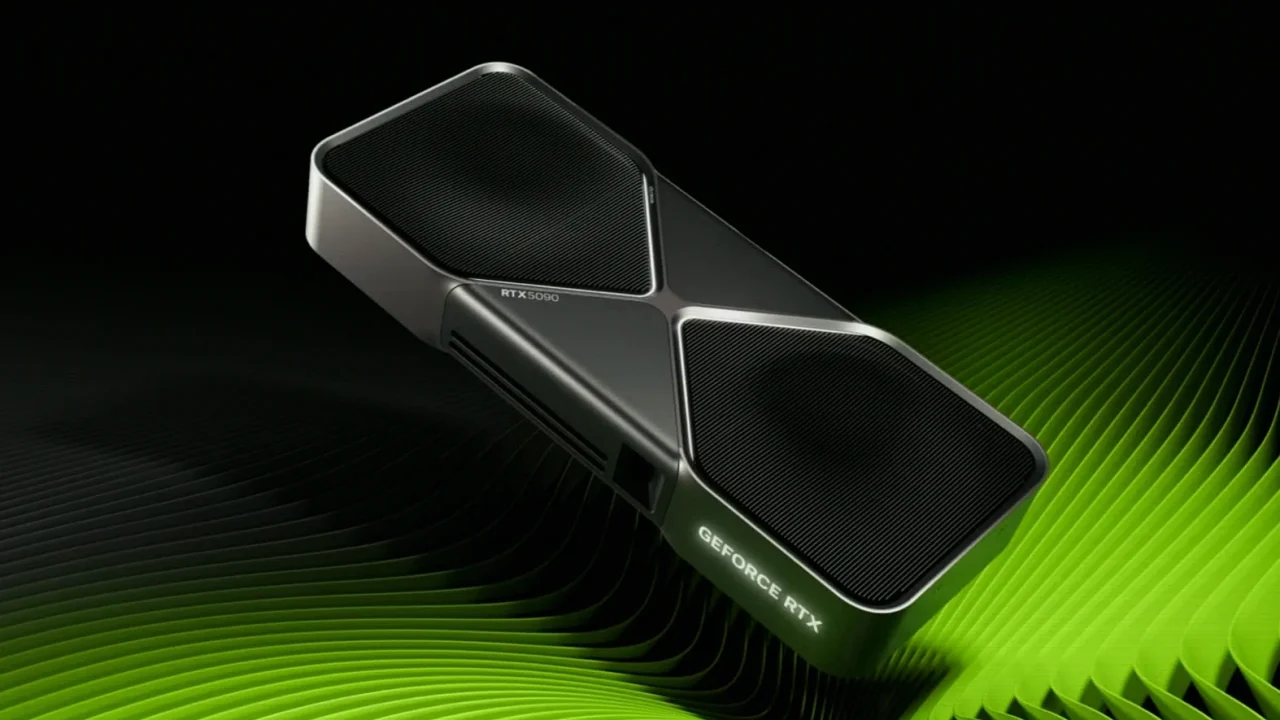
PC gamers considering an RTX 5090 may want to watch Nvidia’s supply situation closely rather than assume more cards will reach retailers. Unconfirmed reports suggest the flagship GeForce GPU could be approaching the end of its production run, while the chip behind it is redirected to higher-priority workstation and AI data-center products.
What reportedly changed with the RTX 5090
Two hardware insiders have claimed that Nvidia has marked the GeForce RTX 5090 as end of life. Nvidia has not confirmed that status publicly, so buyers should treat the report as an indication of a possible supply shift rather than a final announcement. The reported change would see remaining GB202 chip supply reserved for RTX Pro graphics cards aimed at enterprise and AI data-center customers. GB202 is the Blackwell chip used in the RTX 5090 and in Nvidia’s RTX Pro 6000 and RTX Pro 5000 product lines. If accurate, that allocation could further limit a card that is already difficult to find.
Who is affected by the reported supply shift
The immediate impact would fall on enthusiasts building high-end gaming PCs. The RTX 5090 remains Nvidia’s most powerful consumer graphics card, pairing 32GB of GDDR7 memory with a boost clock of up to 2.41 GHz. Those specifications make it a strong option for demanding 4K gaming at high frame rates, but availability and price have become major obstacles. The card launched at a suggested price of $1,999, yet the source notes that the lowest listed option on Amazon was a third-party offer starting at $7,175. A wider DRAM shortage has also pushed up costs across memory, SSDs, and other PC components, making any flagship upgrade substantially more expensive.
What to watch next before upgrading
Nvidia’s next public statement is the key development to follow. Until the company addresses the RTX 5090’s future, there is no official confirmation that retail production has ended or that inventory will disappear immediately. Another reported consequence may involve the RTX 5080: one insider suggested a future version could increase its GDDR7 capacity from 16GB to 24GB. That would be meaningful for buyers who need more memory, but the same DRAM pressures could make such a model costly. Gamers keeping their current card can still look for incremental improvements through driver releases; Nvidia’s GeForce driver version 617.42 is currently available.
What players should know
- The RTX 5090 end-of-life claim has not been confirmed by Nvidia.
- Reported GB202 allocation changes would prioritize RTX Pro hardware for enterprise and AI data centers.
- The RTX 5090 has 32GB of GDDR7 memory, but retail pricing has risen far above its $1,999 launch MSRP.
- A reported 24GB RTX 5080 variant could offer an alternative, though memory shortages may raise its eventual price.
- Current GPU owners may get more value from driver updates while waiting for clearer supply and pricing news.
Expert View
This is a wait-and-watch situation, not a reason to panic-buy. The RTX 5090 is already priced beyond sensible value for most gaming builds, and the production report remains unverified by Nvidia. Buyers who genuinely need its performance should monitor reputable retailers and official Nvidia updates, while most players are better served by holding onto existing hardware until supply plans and component pricing become clearer.