Ethan Crossfield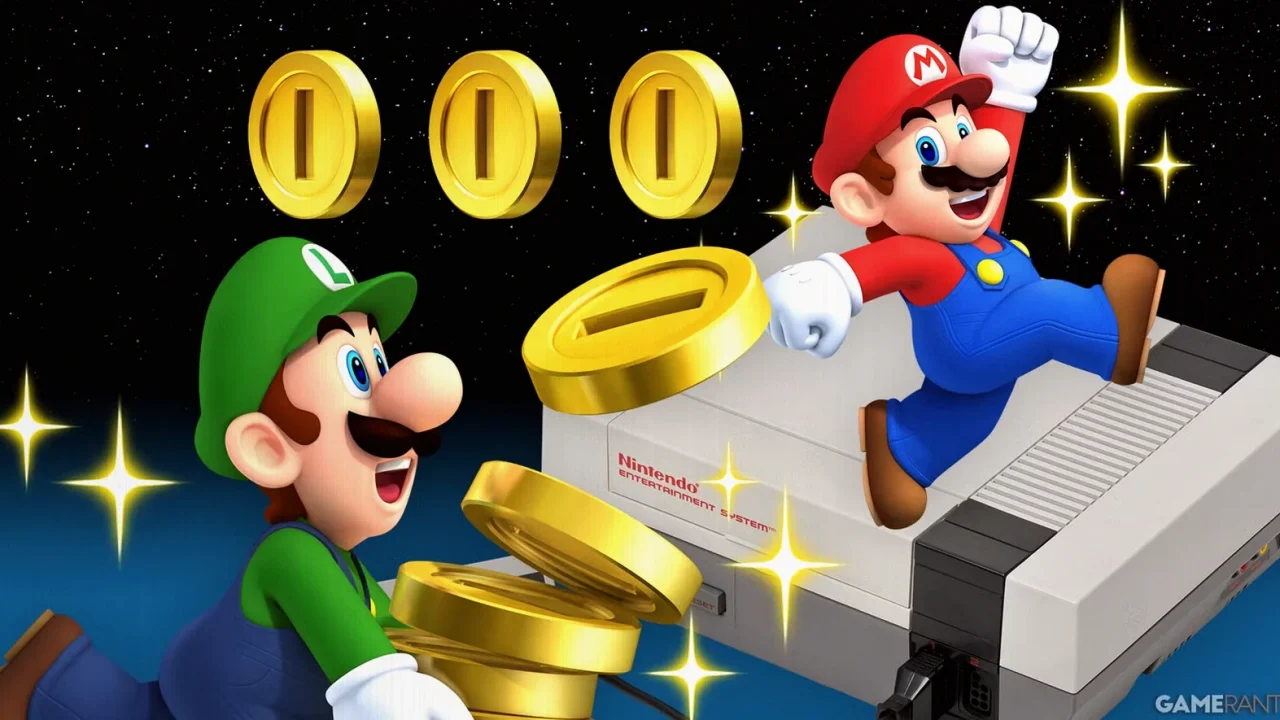
If you follow retro games or collect physical releases, this is a major signal: a sealed 1985 copy of Super Mario Bros. just set a new world record by selling for $3 million. The sale hinges on grading and rarity factors—so it’s worth understanding what collectors were paying for, and what it could mean for future “classic” game values.
What changed: a new world record for the most expensive game sold
On June 12, 2026, Heritage Auctions set a new benchmark for the most expensive video game ever sold at auction. A PSA-certified sealed copy of 1985’s Super Mario Bros. sold for $3 million.
Heritage Auctions characterized the lot as the most significant video game ever offered, and the price reflects more than just nostalgia. The winning item was graded PSA 9.6 A++ and is described as the highest-graded known example of the game in its gloss-sealed form. That grading level is a key part of why this copy stood out among other sealed variants.
The sale also follows a recent run of eye-popping collector transactions. Prior to this record, Heritage Auctions’ most expensive Super Mario Bros. sale was a PSA 9.6 A mid-production copy that raised $750,000. Before that, a sealed Super Mario 64 copy reportedly topped $1.5 million, and Heritage Auctions noted that the first video game to sell for a six-figure amount occurred in 2019—when another second-production Super Mario Bros. sold for roughly $100,000.
Why this specific Super Mario Bros. copy is worth $3 million
Collectors didn’t just pay for “Super Mario Bros.” They paid for a very particular sealed cartridge with documentation and production-run signals.
The auctioned copy drew attention for its PSA 9.6 A++ certification, which the source frames as making it the finest known example among the game’s variants. In addition, the gloss sticker seal is described as confirmation that the cartridge comes from the second production run—an attribute that can matter for collectors focused on earliest or most historically specific versions.
The source also ties the seal to condition and age. Because the gloss seal indicates a second production run, the copy is described as one of the oldest known Super Mario Bros. cartridges in near-perfect condition.
As for how rare the gloss-sealed versions are at high grades, the source states that only three known copies of the gloss-sealed version have been graded by services such as PSA. It also lists other high-graded examples of the gloss-sealed variant referenced in the record context, including Wata and VGA graded copies.
Who is affected—and what comes next for collectors and future “AAA” games
This record is likely to affect two overlapping groups: collectors who chase the highest-certified sealed copies, and investors/players watching whether today’s mainstream releases could someday command similar premiums.
The source points to a pattern behind many large collector sales: classic Nintendo titles frequently dominate the highest auction numbers. It cites major examples such as a Legend of Zelda deal around $870,000 and a Super Mario World sale for $144,000, and notes that Pokemon-related collectibles—especially Trading Card Game items—also regularly reach striking prices.
For Super Mario Bros. specifically, the record also raises an open question: whether an even rarer sealed first-production copy still exists. The source suggests collectors would likely pay even more if such a copy could be found.
Finally, the $3 million sale is a reminder that “future classics” may be priced differently over time. The record has already sparked speculation about whether modern AAA games could become highly sought-after collector’s items decades from now, but the source is careful to frame this as uncertain—something collectors will only learn as the years pass.
What players and collectors should know
- Record prices here are driven by grading and sealed-condition verification—not just brand recognition.
- For Super Mario Bros., the gloss sticker seal and its link to the second production run are major value signals.
- Heritage Auctions’ previous Super Mario Bros. record was lower ($750,000), showing how certification and variant details can swing prices.
- High-end sales have recently clustered around classic Nintendo and other long-running collector ecosystems, including Pokemon.
Expert View
This $3 million result fits the emerging logic of the high-end collectibles market: the most valuable items tend to combine iconic game status with verifiable rarity markers and top-tier third-party grading. While it’s tempting to treat the sale as proof that “any AAA game will become a $ millions commodity,” the source only supports that classic Nintendo has repeatedly led these records—so the safest takeaway is that condition, certification, and production specifics matter more than the modern hype cycle.