Ethan Crossfield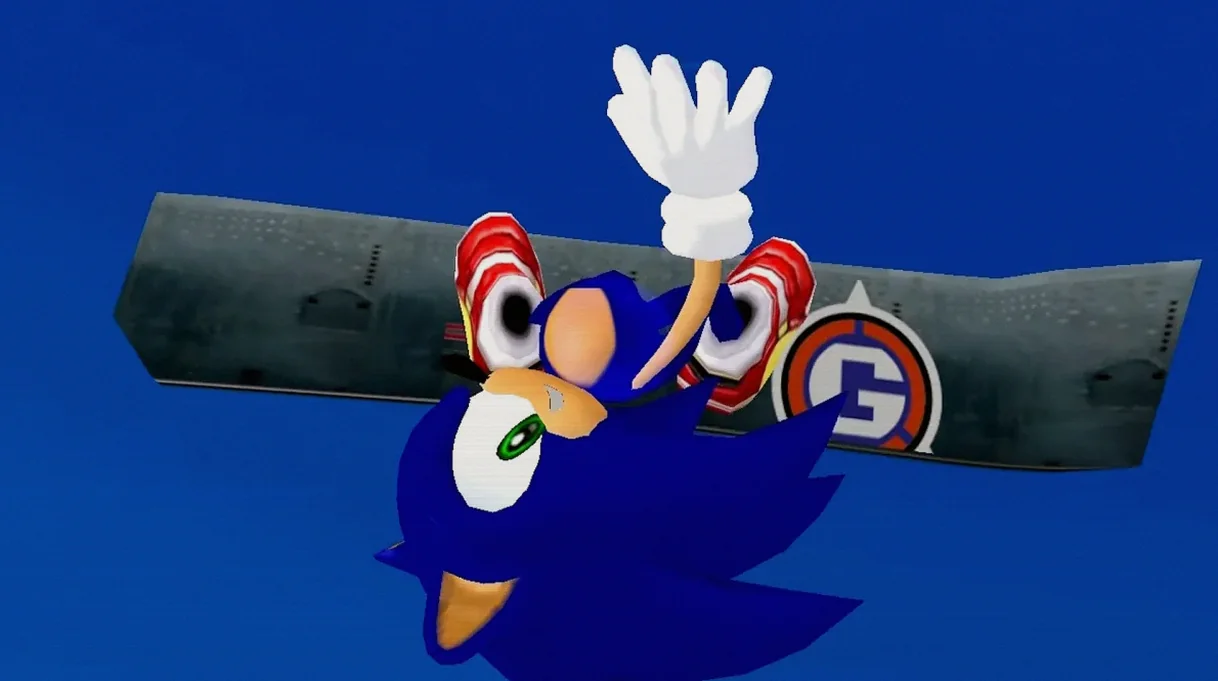
Some game levels become famous because they introduce a character, define a mechanic, or deliver a memorable story beat. City Escape managed to do all three at once. Sonic Adventure 2's opening mission begins with Sonic escaping a helicopter, launches him onto a makeshift snowboard, and sends him racing through a steep urban environment while "Escape from the City" plays. A newly shared development document offers a closer look at how Sonic Team planned that sequence before the 2001 Dreamcast release.
A difficult sequel built under pressure
Sonic Adventure 2 was developed under the codename Project GAIA 2 as a follow-up to Sonic Adventure, a major Dreamcast launch title. The sequel arrived while Sega was facing severe financial difficulties and the PlayStation 2 was outselling the Dreamcast. Those circumstances had a direct effect on production. Sonic Team's development group was reduced from 120 people to 11 and moved to San Francisco, an experience that influenced the hilly city setting used for City Escape. Despite the reduced staff, the game was completed in roughly a year and a half.
What the City Escape document captures
The document lays out key parts of the Hero Side's first mission, including the opening snowboard run and the pursuit involving the enormous GUN truck. These sequences remain central to the level's identity because they establish its sense of speed immediately rather than building toward it slowly. The material also shows that City Escape was shaped as a collection of distinct action beats, combining downhill movement, urban traversal, and a large-scale chase in one introduction.
Why this opening still resonates
City Escape has remained one of the most recognizable stages in 3D Sonic history. Its impact comes from the way its music, visual direction, and movement work together from the first moments of the campaign. Players encountered it on Dreamcast in 2001 and on GameCube in 2002, giving the level a place in two important eras of Sonic's early-2000s history. Sonic Adventure 2 is also remembered for introducing Shadow the Hedgehog and featuring songs such as "Live and Learn," but City Escape continues to stand apart as the game's defining first impression.
Where fans can see the material
The City Escape design document is scheduled to appear alongside other Sonic franchise artwork at Sega and iam8bit's 35 Years of Speed: The Sonic Art Exhibit in Los Angeles. The showcase is being held at ARK/8 during the weekend of September 25. Admission is free, and visitors are asked to register through Eventbrite. For fans unable to attend, the document still provides a useful snapshot of the planning behind a level that helped shape how many players remember Sonic Adventure 2.
Key points
- City Escape opens Sonic Adventure 2 with a snowboard descent through a city.
- The design document includes the snowboard section and the GUN truck chase.
- Sonic Team's staff was reduced from 120 developers to 11 during production.
- The document is part of the 35 Years of Speed exhibit in Los Angeles.
Original release timeline
| Platform | Year |
|---|---|
| Dreamcast | 2001 |
| GameCube | 2002 |
Expert View
The document matters because it preserves the thinking behind a level that communicated Sonic Adventure 2's priorities instantly: speed, spectacle, music, and memorable transitions. It also reflects how a small team turned production constraints and unfamiliar surroundings into creative advantages. For the Sonic community, this kind of archival material adds context to a stage often remembered through finished gameplay alone, while reinforcing City Escape's status as a carefully structured piece of game design rather than only a nostalgic favorite.