Ethan Crossfield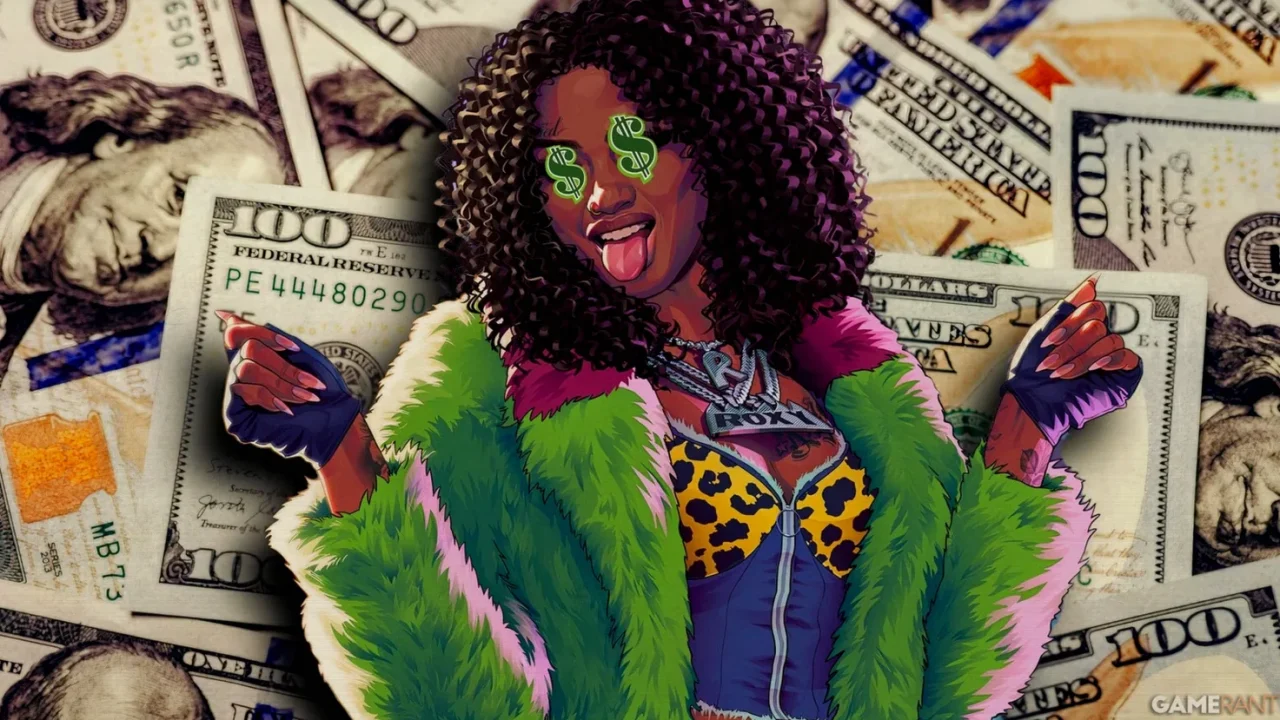
If you’re planning to jump into GTA 6 Online, the biggest warning sign isn’t a specific feature—it’s the business direction behind it. Newly surfaced official documents indicate Take-Two wants to lean harder on recurring in-game spending, which could translate into a more aggressive economy, more grind pressure, and tighter monetization than GTA Online players are used to.
What changed: Take-Two is prioritizing recurring consumer spending (RCS)
Recent official shareholder materials point to a clear corporate goal: increasing “recurrent consumer spending” across Take-Two titles. In this context, RCS means repeat purchases that happen after players buy the base game, which is essentially the language publishers use when they’re talking about ongoing monetization rather than one-time sales.
Take-Two also framed RCS growth as a way to reduce revenue volatility between release years, since new game launches take time to build. The implication for GTA 6 Online is straightforward: if the company needs steadier income between major releases, the live-service side of the franchise becomes an obvious target for expanded monetization.
While there’s no direct, GTA 6-specific breakdown of how purchases will work, the documents are being interpreted as a signal that GTA Online’s next iteration could be structured differently from what players experienced previously.
Who’s affected: GTA Online players already worried about grinding and paywalls
GTA Online fans haven’t been waiting for GTA 6 to start feeling uneasy. The source notes that changes introduced with the Kortz Center Heist update led some players to believe the game has become more grind-heavy, including concerns that certain heists were nerfed in ways that reduce money-making efficiency.
Those concerns feed into a broader worry: if Take-Two and Rockstar adjust earning methods in future updates, it could push more players toward buying in-game credits with real money. The key point here is not that a specific nerf is confirmed to be part of a monetization plan, but that the recently surfaced evidence increases the plausibility of that fear.
The document also highlights how dominant RCS already is for Take-Two—so if GTA 6 Online is positioned to amplify that revenue stream, players may see more pressure on progression pacing, with more content tied to paid access.
What comes next: Expect more scrutiny of GTA 6 Online’s economy and subscriptions
Take-Two reported that 78.1% of its 2026 total revenue came from recurrent consumer spending. The company generated $5.20 billion out of $6.66 billion net revenue from microtransactions, underscoring just how central ongoing monetization is to its financial model.
The source further suggests that investors have been factoring in additional in-game purchase revenue for GTA 6, rather than relying only on base game sales. It also claims there’s already an upsell tied to GTA 6 editions, and that the same approach could become a foundation for GTA 6 Online’s economy.
One theory discussed is that GTA+ could become more tightly integrated with GTA 6 Online—potentially turning the subscription into a recurring income channel closely linked to regular play. Importantly, the source stresses there’s no direct comment from GTA 6’s creators on future microtransaction mechanics, so players should treat these as strong signals rather than confirmed patch notes.
What players should know
- Take-Two’s shareholder messaging explicitly targets recurring in-game spending after the base game is purchased.
- Recent GTA Online balance changes (including heist-related adjustments) have already fueled player fears of reduced earning efficiency.
- Take-Two’s revenue mix shows microtransactions are a major driver—so GTA 6 Online’s live economy could be designed to maximize RCS.
- No direct GTA 6 microtransaction details are confirmed, but investor and corporate signals suggest monetization may change.
Expert View
This is one of those moments where the business case matters as much as the gameplay. The documents don’t confirm specific GTA 6 Online mechanics, but they do show a company-wide push toward recurring monetization—and Take-Two’s numbers suggest it’s not just a strategy, it’s a dependency. Expect more transparency demands from the community and more careful watching of how earning, access, and subscriptions evolve after launch.