Ethan Crossfield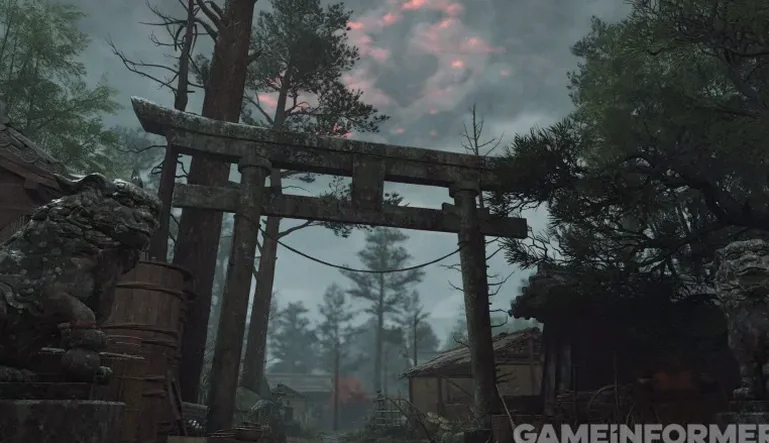
After two decades away, Capcom’s Onimusha return lands in a time period that’s very different from the series’ earlier entries—setting the stage for a darker kind of samurai action. According to the game’s development leads, Edo-period Kyoto is more than a backdrop: it’s the franchise’s best match for the Genma-infused myths they wanted to bring to life.
From Sengoku duels to Edo legends
Onimusha: Way of the Sword marks Capcom’s return to its samurai action series after a 20-year hiatus. Previous games in the franchise were set during Japan’s Sengoku period (the Warring States era), but Way of the Sword shifts to the early Edo period, which began at the turn of the 17th century.
The director, Satoru Nihei, explains that protagonist Miyamoto Musashi is in his 20s in this story, which strongly suggests the game takes place between 1603 and 1613. While the adventure includes otherworldly spaces like the Oni Realm, the core of the campaign is centered on Kyoto.
That choice also reflects how the team connects historical atmosphere to supernatural themes. Nihei says that during research, they encountered strange dark stories and myths tied to Kyoto—stories that fit naturally with Onimusha’s Genma presence. In his view, those discoveries became a deciding factor for selecting Kyoto as the setting.
A dark fantasy Kyoto—beautiful, but not comforting
Kyoto is widely remembered for its vivid greenery and real-world beauty, and the development team wanted to capture that impression. However, they also had to account for both the time period and the game’s tone.
Art director Hiroyuki Nara describes the target as an “eerily beautiful” dark fantasy. The real city’s feel is part of the inspiration, but Way of the Sword’s Kyoto carries a darker edge than what players would experience today. Even so, recognizable elements from real Kyoto are present in the game, including pagodas and shrines, as well as locations still visited in modern times.
The team also conducted multiple trips to Kyoto—about a 40-minute train ride away—to research the area, absorb its atmosphere and history, and decide what sights and sounds could translate into gameplay. Development visits included stops such as Yasui Konpiragu Shrine and Kiyomizu-dera Temple, both of which appear in the game.
Musashi’s role and why Capcom keeps history approachable
Musashi did travel to Kyoto in real life, but Capcom’s version takes creative liberties for narrative purposes. Nihei points out that the character isn’t arriving with a goal of battling Genma; instead, he’s driven by sword duels, framed as another step in his reputation.
The director also notes that the story doesn’t lean heavily into Kyoto’s political context. He says the team avoided going too deep into Japanese history and politics so the game would be more accessible for players outside Japan—an intentional design decision aimed at a global audience.
Lead writer Hiroshi Yamashita adds that the team built many characters from Kyoto legends and myths, using fragments and adaptations to shape mysterious figures into more fully formed characters. While he handles much of the writing work, he also brings drafts to the director and the wider team for alignment.
Key points
- Way of the Sword moves from Sengoku-era entries to the early Edo period, with a Kyoto-centered campaign.
- Director Satoru Nihei ties Kyoto’s dark myths to the game’s Genma themes as the reason for the location choice.
- Art director Hiroyuki Nara targets an “eerily beautiful” dark fantasy version of Kyoto rather than a purely realistic one.
- Capcom keeps Musashi’s story focused on duels and accessibility, limiting heavy political-historical detail for global players.
| Series placement | Time period | Primary setting |
|---|---|---|
| Earlier Onimusha games | Sengoku period (1400s–1600) | Japan’s Warring States era |
| Onimusha: Way of the Sword | Early Edo period (turn of the 17th century; likely 1603–1613) | Kyoto (with other areas like the Oni Realm) |
Expert View
Kyoto as the return destination signals that Capcom isn’t just reviving Onimusha’s combat identity—it’s rebuilding the series’ atmosphere around place-based mythology. For the broader market, that’s a smart bet: a globally recognizable historical city paired with supernatural hooks gives the franchise a clear thematic identity, while the decision to keep political context light lowers the barrier for new players. In a competitive action space, that combination—accessible entry point plus distinct mood—can help Onimusha find traction beyond longtime fans and strengthen community discussion around lore, settings, and character design.