Ethan Crossfield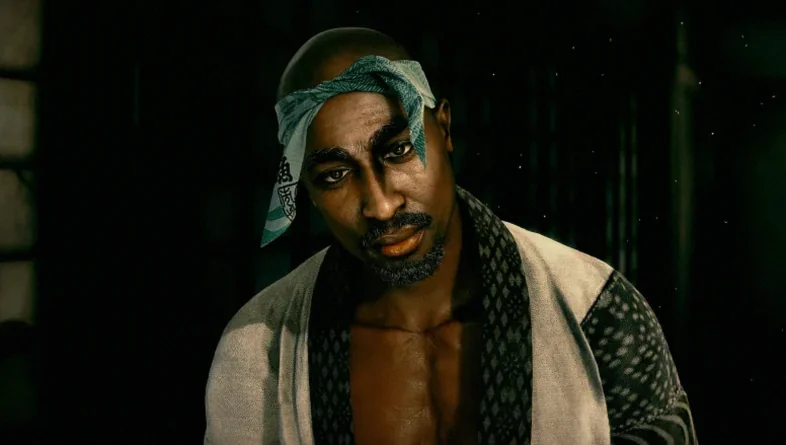
If you’re deciding whether to watch the hype around Stranger Than Heaven, the biggest talking point is now official: RGG Studio has cast Tupac Shakur alongside Snoop Dogg. In an interview, studio head Masayoshi Yokoyama explained how the team built the connection first through Snoop’s character and then handled the sensitive part—approval—from Tupac’s family and likeness rights holders—before moving forward.
What was announced—and why Tupac’s casting raised eyebrows
Stranger Than Heaven, the upcoming action game from Ryu Ga Gotoku Studio (behind the Like a Dragon and Yakuza franchises), drew sharp attention during the Summer Game Fest 2026 Showcase when its cast was revealed. Alongside Snoop Dogg and other known actors, the studio confirmed that Tupac Shakur—who was murdered about 30 years ago—would also appear.
The reveal immediately sparked debate, not just because of the celebrity’s cultural weight, but because the game’s cast includes a figure whose real-world persona already intersects with a major creative direction. Yokoyama’s comments focus on how the team tried to make the inclusion feel purposeful rather than purely sensational.
How RGG connected Tupac to Snoop Dogg’s role in the game
According to Yokoyama, the process began with Snoop Dogg. He says Snoop’s real-life relationships inspired early brainstorming, and the studio started considering how to translate that concept into character work.
Snoop Dogg plays Orpheus, described by Yokoyama as an important character. The studio also has more characters in the same “world” that relate to Snoop’s real-world connections, including outsiders and foreigners—people who come from elsewhere or don’t fit neatly into Japan’s environment.
Tupac’s name entered the conversation after the team discussed the idea with Snoop. Yokoyama describes it as a back-and-forth where multiple names surfaced, and Tupac ultimately came from Snoop’s side. Internally, there was excitement about the idea of having Tupac and Snoop linked in the game in a way that mirrors their real-world relationship—but the studio still needed to make it possible.
Approvals, respect, and what the studio says it’s trying to avoid
The “possible” part required more than casting decisions. Yokoyama says RGG pursued approval step by step, involving Tupac’s family and his estate, as well as the likeness holder. He also addressed an ongoing dispute involving Tupac’s family and music executive Tom Whalley, clarifying that the studio’s approach centered on gaining permission from the relevant parties.
Yokoyama’s core message is that the team wanted the process to be respectful and to honor who Tupac was, while also avoiding a recreation of who he was at the time of his passing. Instead of framing the character around Tupac’s past, the studio aimed to imagine how he might act decades later—an attempt to portray potential and expression rather than replay history.
Whether players see that intent as enough, the decision is still likely to remain controversial given the timing and the subject. Stranger Than Heaven is set to arrive on January 15.
What players should know
- Stranger Than Heaven’s cast includes both Snoop Dogg (as Orpheus) and Tupac Shakur, revealed during the Summer Game Fest 2026 Showcase.
- RGG Studio head Masayoshi Yokoyama says the Tupac idea grew out of Snoop’s real-life relationships and how those connections could translate into in-game roles.
- The studio states it sought approval through Tupac’s family and estate and also worked with the likeness holder to keep the depiction respectful.
- Yokoyama emphasizes the team is aiming for a forward-looking interpretation—imagining how Tupac might be now—rather than recreating the circumstances of his death.
Expert View
RGG’s explanation is unusually specific for a celebrity-casting conversation: the studio ties Tupac’s inclusion to character design (via Snoop’s role and relationship themes) and treats approvals as a prerequisite rather than a post-announcement formality. Still, intent won’t erase the reality that many players will weigh the decision against the risks of using a real, deceased public figure in a fictional action setting—especially with a release date close enough to keep the debate active.